Free Things to Do in Osaka
Big sights and streets that cost nothing
Osaka's best-known sights are mostly outdoors, and 46 places on this map are free. Osaka Castle Park, Nakanoshima Park and Kema Sakuranomiya Park are all open at all times, and the Dotonbori canal and the Tonbori Riverwalk beside it cost nothing to walk. The Glico Sign beside Ebisu Bridge costs nothing to look at, and neither do Shinsekai's streets. Kuromon Market and Tsuruhashi Market are free to wander, and so is Osaka Korea Town's shopping street in Ikuno-ku. The Osaka City Central Public Hall and the Osaka Exchange Building are tagged free as well. Shitenno-ji charges for most of its grounds, but on the 21st and 22nd of each month the central area is free. In Nara, Nara Park is free as well.
56 places
Year round When
The places
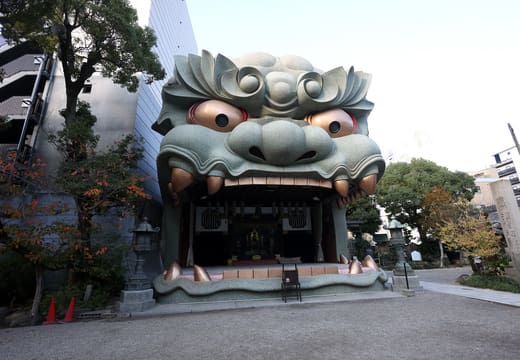
Shrine · Namba Namba Yasaka Shrine A neighbourhood shrine in Motomachi, just south-west of Namba Station. Its official site lists events such as a rakugo evening alongside the usual shrine news.
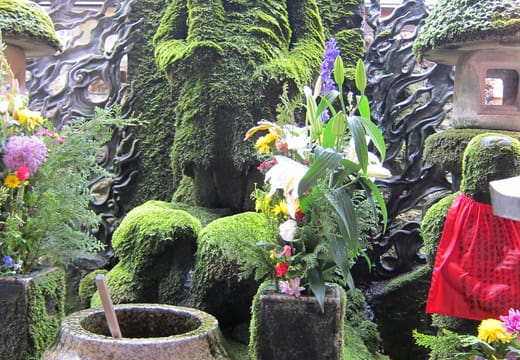
Temple · Namba Hozenji Temple (Mizukake Fudo) A Jodo temple tucked behind Dotonbori, known for a moss-covered Fudo Myoo statue that visitors splash with water.
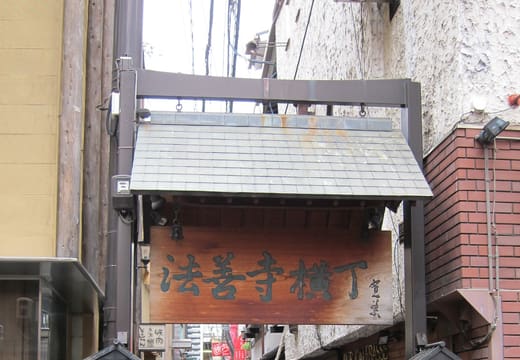
Neighbourhood · Namba Hozenji Yokocho A stone-paved alley about 80 metres long and 3 metres wide, lined with small restaurants, bars and okonomiyaki and kushikatsu shops. It runs beside Hozenji Temple.
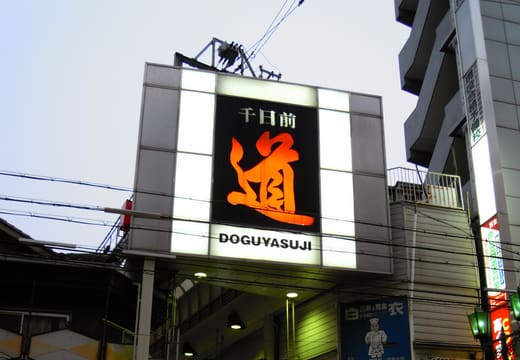
Shopping · Namba Sennichimae Doguyasuji A shopping street for cooking tools near Namba Grand Kagetsu. You'll find kitchen knives, pots, tableware, noren curtains, lanterns, signs and the plastic food samples restaurants put in their windows.
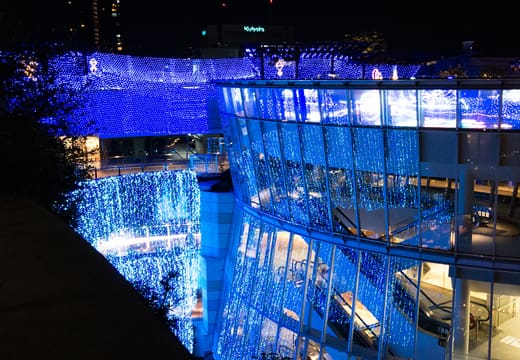
Park · Namba Namba Parks A shopping complex whose Parks Garden climbs from the 2nd to the 9th floor, covering about 11,500 square metres with roughly 500 plant species.
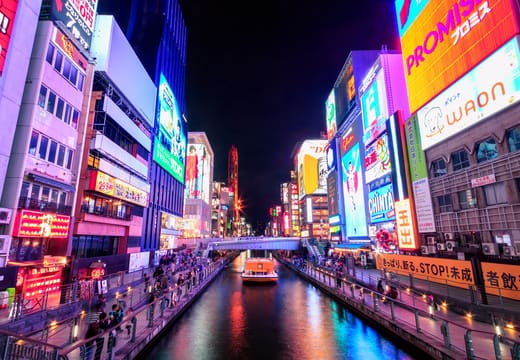
Neighbourhood · Dotonbori Dotonbori The canal strip of Osaka's Minami, named for Doton Yasui, who funded the river's excavation in 1612. Restaurants line both sides under giant three-dimensional signs, including the Kani Doraku crab and the Glico runner.
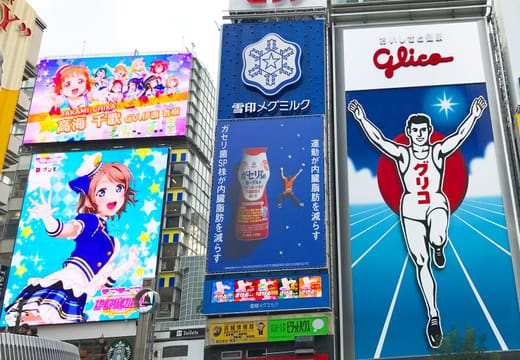
Landmark · Dotonbori Glico Sign The runner sign beside Ebisu Bridge. The sixth version went up in October 2014 and stands 20 metres high and 10.38 metres wide.
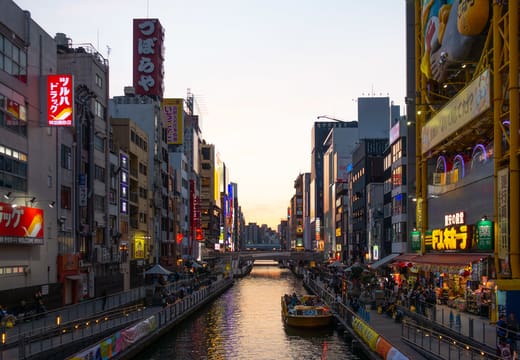
Neighbourhood · Dotonbori Tonbori Riverwalk A riverside promenade along the Dotonbori River with about 600 metres of walkway, more than 30 riverside shop entrances and a dock for sightseeing boats.
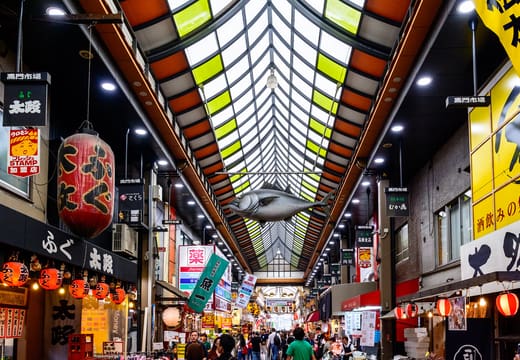
Market · Nipponbashi Kuromon Market A covered market of about 150 wholesale and retail shops selling seafood, produce and prepared food, close to Nippombashi Station. It dates to the late Edo period and is known for puffer fish.
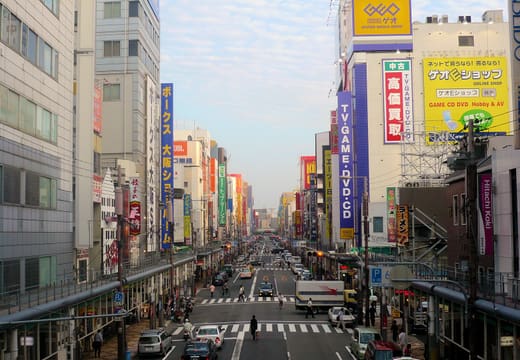
Neighbourhood · Nipponbashi Den Den Town and Ota Road Osaka's electronics and otaku district along Sakaisuji. Ota Road holds anime, game and figure shops and a run of maid cafes.
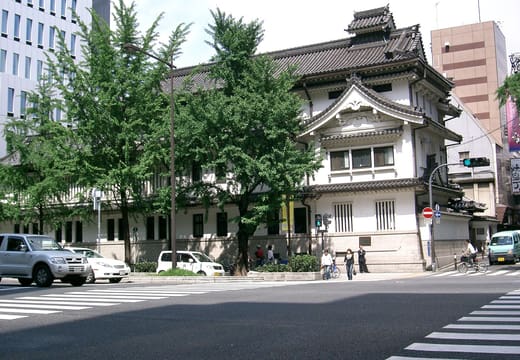
Shrine · Shinsaibashi Mitsutera A Shingon Buddhist temple in Osaka's Minami district. Osaka City designated its group of 12 wooden statues, dating from the Heian to the Edo period and kept in a shrine cabinet in the main hall, as a cultural property in 2015.
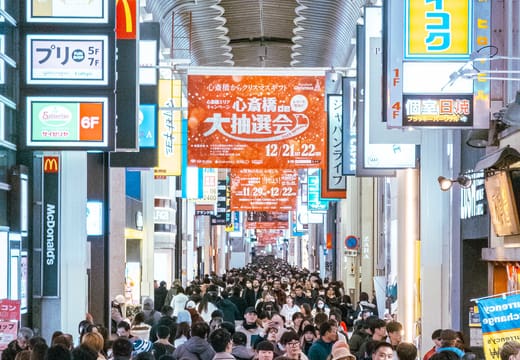
Neighbourhood · Shinsaibashi Shinsaibashi-suji Shopping Street A roofed shopping arcade about 600 m long, running about 580 m from just south of Nagahori-dori to Soemoncho-dori. The Osaka tourism bureau counts it as about 380 years old and already an established shopping street in the Edo period.
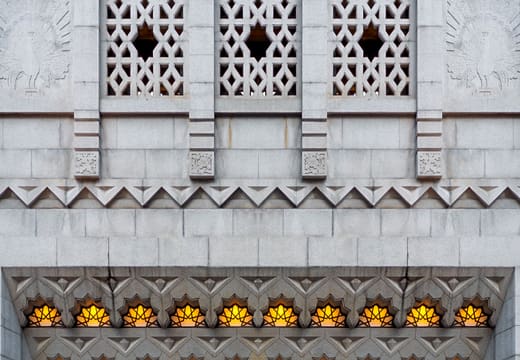
Shopping · Shinsaibashi Daimaru Shinsaibashi A department store at the Midosuji end of the shopping arcade, with a restaurant floor on 10F and a food hall on B2.
Shopping · Shinsaibashi Shinsaibashi PARCO A 14-floor fashion and pop-culture building next to Daimaru. The B2 floor is a basement food street called Shinsaibashi Neon Shokudogai, there's a cinema on 12F, and 13F is a dining floor.
Neighbourhood · Shinsaibashi Suomachi Street (Europe Street) A street about 500 m long running east to west from Midosuji to Sakaisuji, with brick buildings, streetlamps and stone paving that gave it the name Europe Street. It's lined with boutiques selling European brands, and the castella shop Nagasakido sits on it.
Neighbourhood · Amerikamura Amerikamura (Amemura) The Nishi-Shinsaibashi district west of Midosuji where warehouses were turned into shops selling imported clothes, jeans and used records in the 1970s. Its own shop association says a cafe called LOOP opened in front of Triangle Park in 1969 and pulled in young designers first.
Park · Amerikamura Mitsu Park (Triangle Park) A small triangular park at the centre of Amerikamura, officially Mitsu Park, built on what was waste road land. Young comedians often perform here for free and passersby make up the audience.
Neighbourhood · Amerikamura Orange Street (Tachibana-dori) A street about 800 m long in Horie that has sold furniture since the late Edo period. The shop association says the 'Orange Street' name was picked from more than 1,000 entries in a 1992 newspaper contest, after the Edo-period spelling of tachibana, a mandarin tree.
Neighbourhood · Amerikamura Horie (Minami-Horie and Kita-Horie) A district of clothing shops, general stores and cafes in Nishi-ku. It was a timber town along the Horie River until the 1945 air raids destroyed it, and returning residents built the furniture street Tachibana-dori.
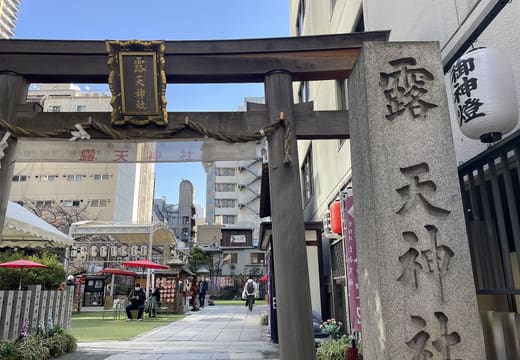
Shrine · Umeda Ohatsu Tenjin (Tsuyunotenjin Shrine) A small shrine in the middle of Umeda's nightlife streets, known for the 1703 double suicide that inspired Chikamatsu's puppet play Sonezaki Shinju. A bronze statue of the two lovers was added in 2004.
Temple · Umeda Taiyu-ji Temple A Koyasan Shingon temple said to date from 821 and founded by Kukai, set among Umeda's entertainment streets. Its principal Senju Kannon statue is a designated Tangible Cultural Property of Osaka City.
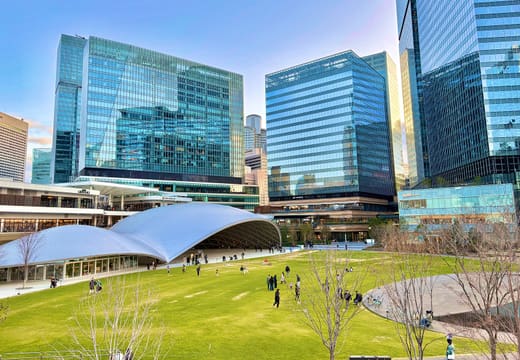
Park · Umeda Umekita Park A park beside Osaka Station, split into a South Park (Ofuka-cho 5) and a North Park (Ofuka-cho 6). It has a lawn plaza used for events and PLAT UMEKITA, a space for exhibitions and workshops.
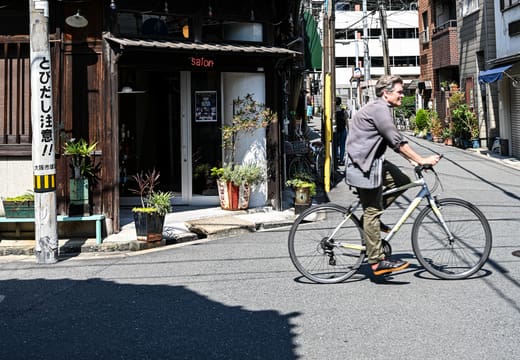
Neighbourhood · Umeda Nakazakicho A district north of Hankyu Umeda where old nagaya row houses survived the wartime air raids. A project that began at the cafe Salon de AManTo renovated empty houses with 1,100 volunteers, and the area now has cafes, general stores and second-hand clothing shops.
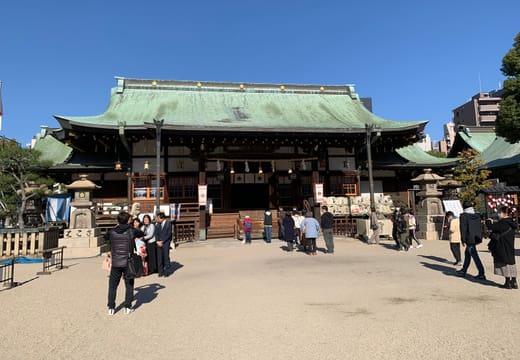
Shrine · Tenma Osaka Tenmangu The shrine to Sugawara no Michizane, god of learning, known locally as Tenma no Tenjin-san. It anchors the Tenjin Matsuri on 24 and 25 July, with about 100 boats and 5,000 fireworks on the river.
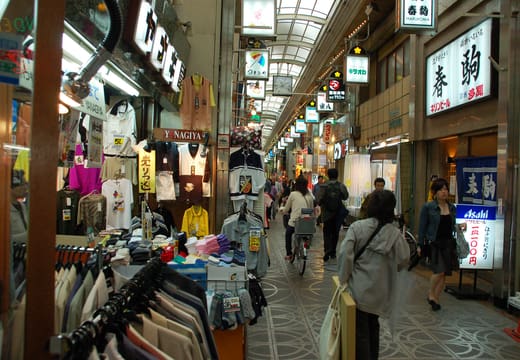
Shopping · Tenma Tenjinbashisuji Shopping Street A covered shopping street of about 2.6 km running north from Tenjinbashi, billed as Japan's longest. It has roughly 800 shops, including a tea shop founded in 1868, tofu makers and old diners.
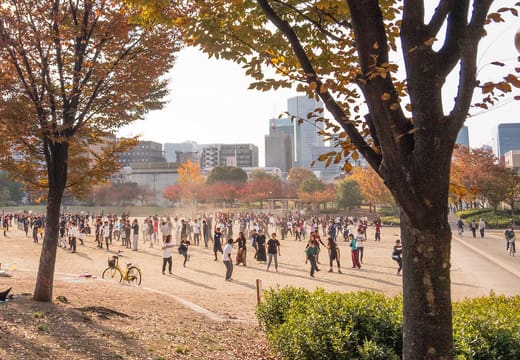
Park · Tenma Ogimachi Park A large park beside Ogimachi Station with a mountain slide, a climbing wall, a lawn, fountains and an indoor pool open all year.
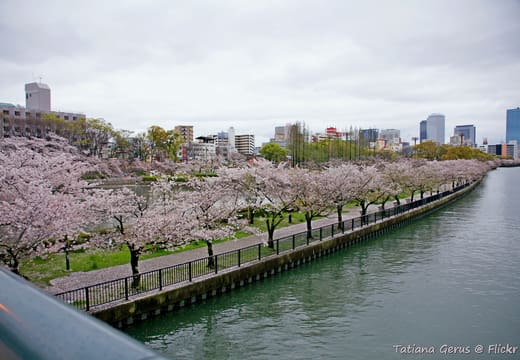
Park · Tenma Kema Sakuranomiya Park A riverside park from Kema Weir to Tenmabashi, with a promenade, a water plaza and about 4,500 cherry trees. The Japan Mint stands along it.
Museum · Tenma Japan Mint Osaka (Cherry Blossom Passage) The Osaka branch of the Japan Mint, whose grounds open to the public for a week each spring for the Cherry Blossom Passage. The Mint's cherry trees include 338 trees of 134 cultivars as of 2019.
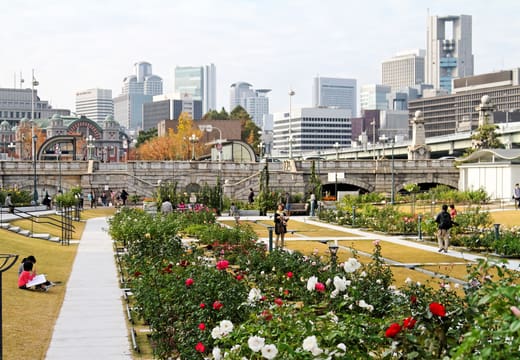
Park · Nakanoshima and Kitahama Nakanoshima Park Osaka's first city park, opened in 1891 on a strip of land between the Dojima and Tosabori rivers. It runs about 1.5 km and covers 10.6 hectares, and the rose garden holds roughly 3,700 plants of about 310 varieties.
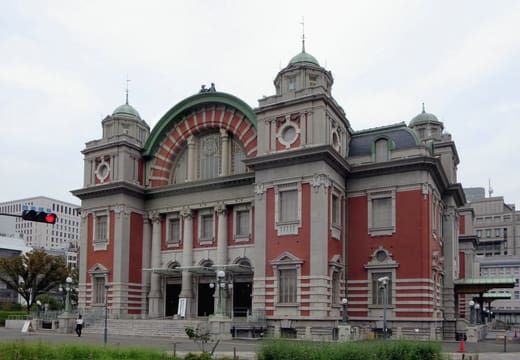
Landmark · Nakanoshima and Kitahama Osaka City Central Public Hall A red-brick Neo-Renaissance public hall completed in 1918 on the east end of Nakanoshima. It was restored between 1999 and 2002 and became an Important Cultural Property in December 2002, with a main hall that seats up to 1,161 people.
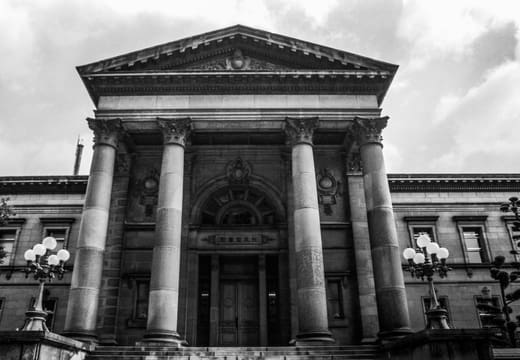
Landmark · Nakanoshima and Kitahama Osaka Prefectural Nakanoshima Library A domed stone library built in 1904 with a donation from the Sumitomo family, with wings added in 1922. The main building and both wings are Important Cultural Properties, and the collection centres on Osaka materials.
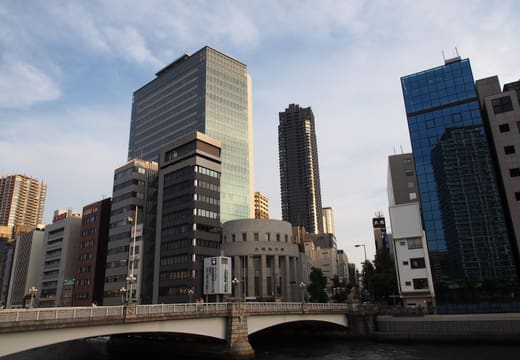
Landmark · Nakanoshima and Kitahama Osaka Exchange Building The home of the Osaka Exchange (called the Osaka Securities Exchange until March 2014), with a statue of the merchant Godai Tomoatsu out front. The ground floor has an atrium screen and a small gallery explaining how stocks work.
Landmark · Nakanoshima and Kitahama Naniwabashi (Lion Bridge) A bridge over the Tosabori river nicknamed the Lion Bridge for its stone lion statues. It moved to its present site in 1912 when the Sakaisuji tram line was extended.
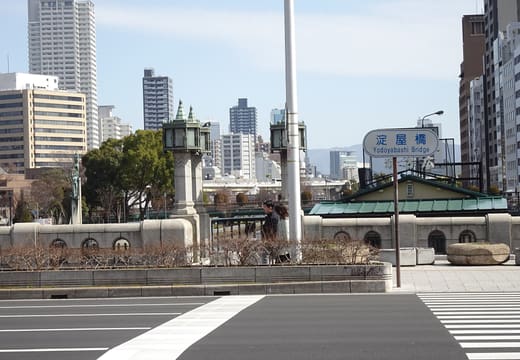
Landmark · Nakanoshima and Kitahama Yodoyabashi Bridge The bridge that carries Midosuji across the Tosabori river onto Nakanoshima. The current bridge was completed in 1935 and was voted the most attractive bridge in a city survey, and about 70,000 people cross it each day.
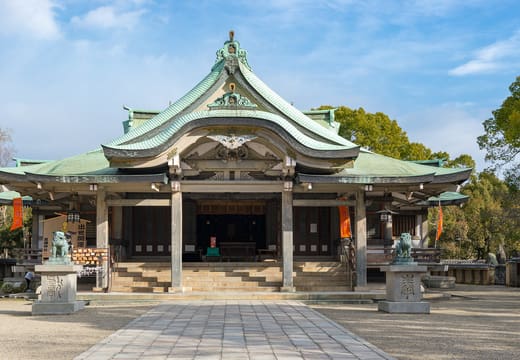
Shrine · Osaka Castle Hokoku Shrine A shrine in Osaka Castle Park for Toyotomi Hideyoshi, his son Hideyori and his brother Hidenaga, founded in 1879 in Nakanoshima and moved here in 1961. Visitors buy gourd charms that refer to Hideyoshi's rise from foot soldier to ruler.
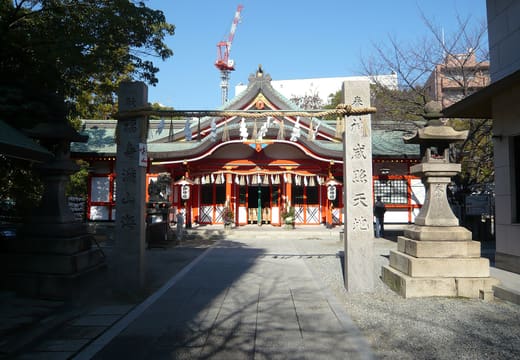
Shrine · Osaka Castle Tamatsukuri Inari Shrine A shrine said to date to 12 BC, in a district named for the craftsmen who made magatama beads. It guarded Osaka Castle in the Toyotomi and Tokugawa periods, and the grounds hold a torii gate given by Toyotomi Hideyori and a monument to Sen no Rikyu.
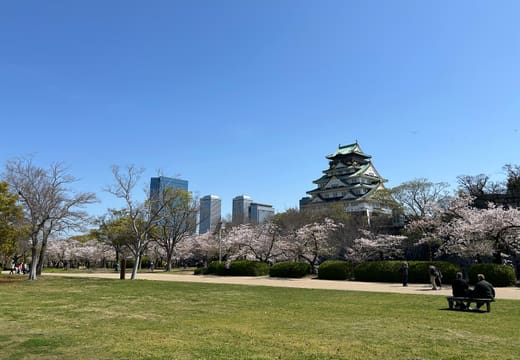
Park · Osaka Castle Osaka Castle Park A 105.6-hectare park around the castle keep, with moats, stone walls and a plum grove of about 1,245 trees of 105 varieties. It also holds Nishinomaru Garden, Osaka-jo Hall and the Miraiza shopping building.
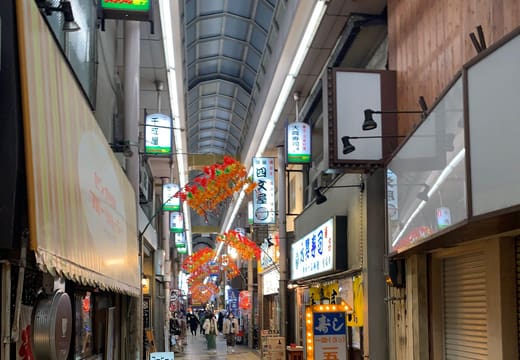
Neighbourhood · Shinsekai Janjan Yokocho A covered street of about 50 shops in Shinsekai, with kushikatsu and doteyaki restaurants along it.
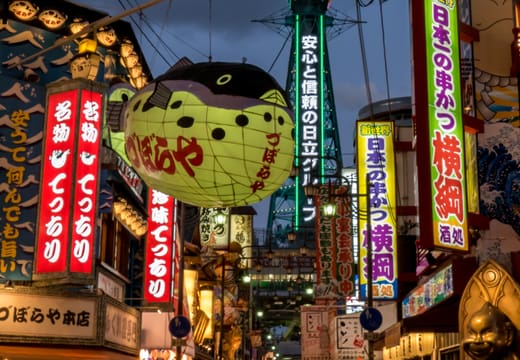
Neighbourhood · Shinsekai Shinsekai A downtown district around Tsutenkaku whose origins go back to 1903 and the Fifth Domestic Industrial Exposition in Tennoji. Luna Park, the paid amusement park that stood south of the first Tsutenkaku, has closed.
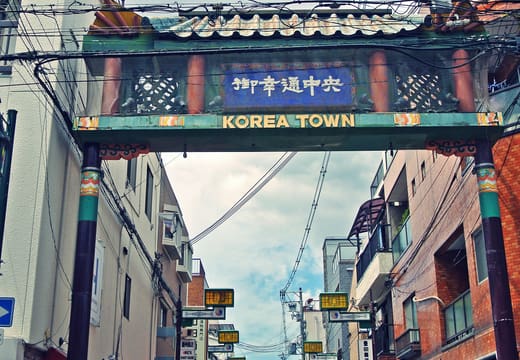
Neighbourhood · Tsuruhashi Osaka Korea Town (Miyuki-dori) A shopping street in Ikuno-ku with more than 20 kimchi specialty shops and Korean groceries, near Tsuruhashi.
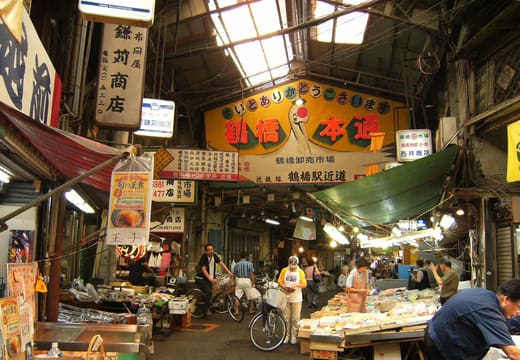
Market · Tsuruhashi Tsuruhashi Market A cluster of six markets and shopping streets with about 800 shops beside Tsuruhashi station, spread across Tennoji, Higashinari and Ikuno wards. It grew out of a postwar black market and has a wholesale fish market that cooks buy from early in the morning.
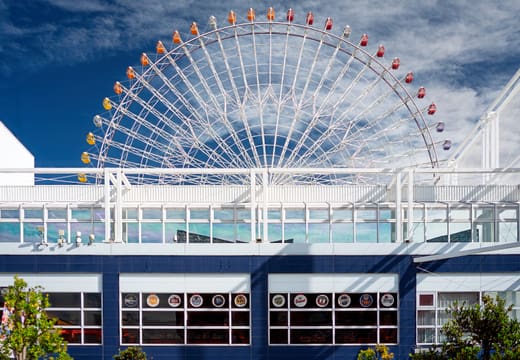
Shopping · Osaka Bay Tempozan Marketplace A waterfront mall next to the Kaiyukan aquarium, with shops, restaurants and a food hall called Naniwa Kuishinbo Yokocho. It's part of the Tempozan Harbor Village complex.
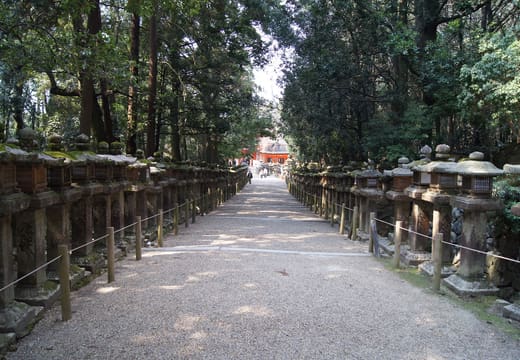
Shrine · Nara Kasuga Taisha A Shinto shrine at the eastern edge of Nara Park. The deer in the park are regarded as its divine messengers.
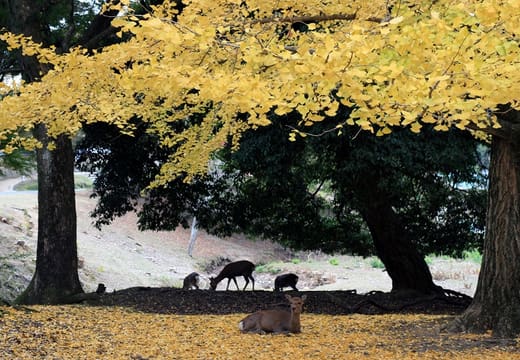
Park · Nara Nara Park A park of about 660 hectares across the eastern side of Nara, home to roughly 1,300 wild deer. The deer are a designated national natural treasure and are counted as the divine messengers of Kasuga Taisha.
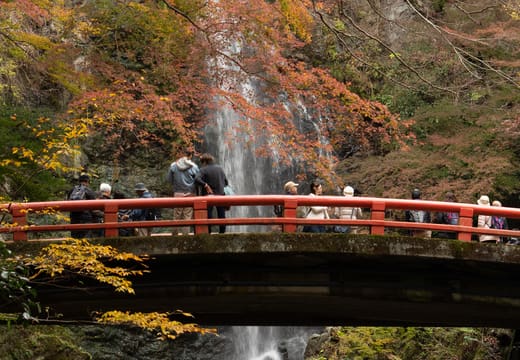
Day trip · Minoo Minoo Park and Falls Minoh Falls is a 33 m drop, 5 m wide, in Meiji-no-Mori Minoh Quasi-National Park in the hills north of Osaka. Entry to the park is free and the trail up from Hankyu Minoh Station follows the river.
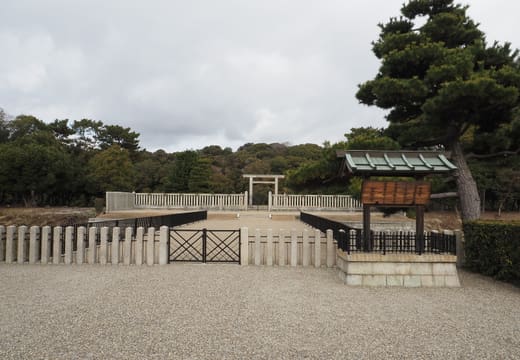
Day trip · Sakai Daisen Kofun (Nintoku-tenno-ryo) Japan's largest burial mound, 486 m long and built in the mid-5th century in Sakai.
Museum · Namba Museum of Kamigata Performing Arts (Wacha Kamigata) An Osaka Prefecture archive of Kamigata comedy and storytelling on the seventh floor of the YES NAMBA building. It has a permanent exhibit and themed shows, plus corners where you can pose on a rakugo stage set or have your photo taken on video with a performer.
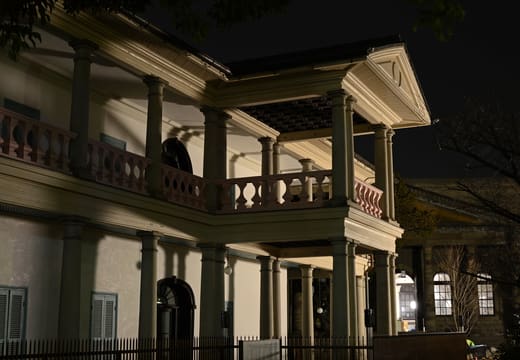
Landmark · Tenma Senpukan A Western-style building put up in 1871 as a reception house for the Mint, described by the city as Japan's first full-scale Western-style building. It stands on the north side of the Japan Mint grounds, close to the riverside cherry trees.
Park · Tennoji TEN-SHIBA (Tennoji Park Entrance Area) The lawn plaza at the entrance of Tennoji Park, beside the station area. Cafes, restaurants, a flower shop and a paid children's play area sit around the grass.
Museum · Tennoji Abeno Tasukaru (Abeno Disaster Prevention Center) A free hands-on disaster-prevention facility run by the city. The experiences are tour-style courses with limited places.
Park · Osaka Castle Naniwa Palace Site Park The park on the ruins of Naniwa Palace, the capital that began in 645. Ground markers, explanation boards and AR show what stood here, and a lawn and restaurant building sit in the middle.
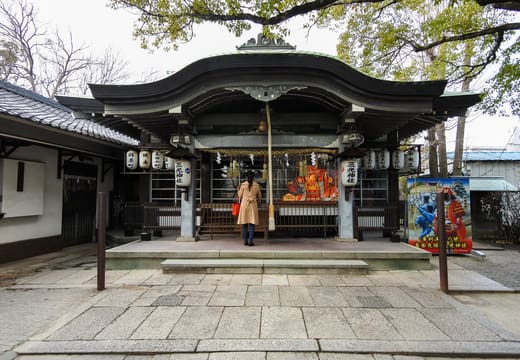
Shrine · Osaka Castle Sanko Shrine (Sanada-yama) A shrine on the Sanada-yama hill south-east of Osaka Castle, known for the Sanada tunnel that is kept locked behind iron bars. The grounds are known for cherry blossom in early April.
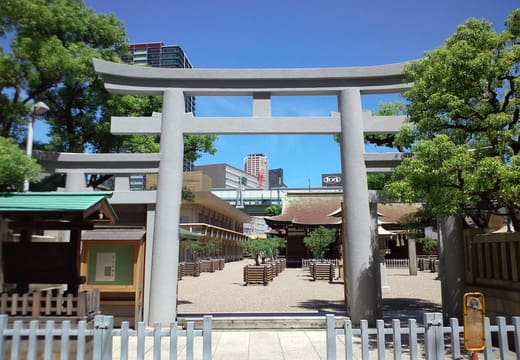
Shrine · Shinsekai Imamiya Ebisu Shrine A shrine to Ebisu, the god of business and good fortune, that the shrine says dates to 600. It stands west of Shinsekai and is the home of the Toka Ebisu festival.
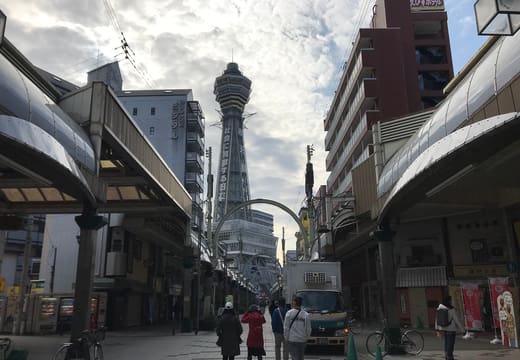
Neighbourhood · Shinsekai Tsutenkaku Hondori Shopping Street The wide main street running up to Tsutenkaku, with the tower in view along its length. The association lists old-style coffee shops, okonomiyaki, udon and soba shops, a shooting gallery and souvenir stores.
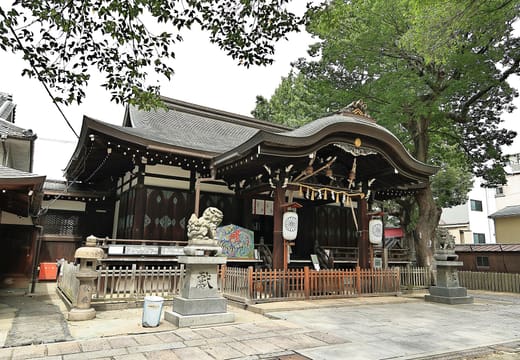
Shrine · Tsuruhashi Miyukimori Tenjingu The shrine for the Ikaino area, dedicated to Emperor Nintoku, Sukunahikona and Osakahiko. The main hall and worship hall from 1930 are registered national cultural properties, and a poem monument to the scholar Wani, set up in 2009, speaks of Japan-Korea friendship.
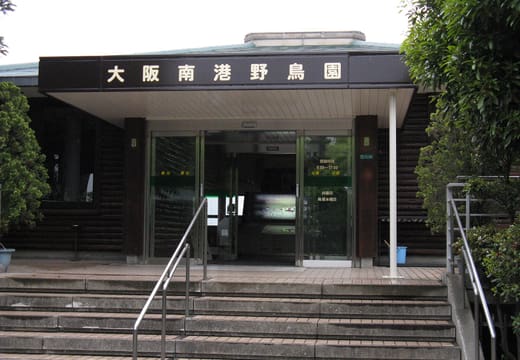
Park · Osaka Bay Osaka Nanko Wild Bird Park Japan's first artificial tidal flat, opened in 1983 on reclaimed land in Nanko. An observation tower looks over the flat and the green space around it.